Recycling and Sustainability — Gardening Blackwall
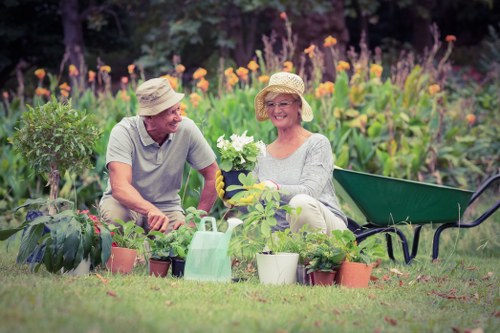 Gardening Blackwall is committed to creating an eco-friendly waste disposal area and a sustainable rubbish gardening area for the local community and green spaces. Our approach combines practical on-site recycling, collaboration with local borough schemes, and investment in low-carbon logistics. Whether you see us as Gardening Blackwall recycling partners, or as stewards of a neighbourhood composting hub, our work is focused on reducing landfill, keeping soils healthy, and maximising reuse.
We have set a clear recycling percentage target: 65% diversion of all site waste by 2030, with an interim goal of 50% by 2027. This target covers green waste, potting media, timber, plastics and metal from garden equipment. Targets are audited quarterly and fed back into route planning, processing and partner engagement. Measurable goals help us prioritise waste separation at source and make our eco-friendly rubbish disposal area more efficient.
 Local transfer stations play a central role in our logistics. We work with nearby borough transfer stations and waste transfer centres to ensure that separated streams—green/food waste, dry recyclables, glass and construction materials—are handled correctly. The boroughs' approach to waste separation (kerbside collection of mixed dry recycling, separate food waste and garden waste bins) informs how we sort materials onsite before transport. This coordination reduces contamination and increases the amount that can be reused or composted.
Partnerships with charities and reuse organisations are core to our circular model. We collaborate with community groups, salvage charities and redistribution networks to ensure usable items and materials get a second life. Our partners include local community composting projects, reuse centres for timber and soil amendments, and charities that accept surplus planters and tools. Key partnership activities include:
- Donating reusable pots, planters and tools to community gardens and charity shops.
- Diverting edible surplus plants and seedlings to food redistribution charities.
- Working with social enterprises that repair and resell gardening equipment.
 We operate a low-carbon delivery and collection fleet to serve the Blackwall area. This includes electric vans, plug-in hybrid vehicles and cargo bikes for narrow streets and small loads. Route optimisation software and consolidated collections reduce vehicle miles, while on-board weigh scales ensure accurate recording against our recycling percentage target. Low-emission logistics are essential to keep our overall carbon footprint down while maintaining frequent, reliable garden waste removal and material recovery.
Onsite and local processing emphasises the creation of a sustainable rubbish gardening area where organic matter is turned back into soil. We operate community compost bays and wormeries for green waste, and segregate woody material for chipping into mulch. These practices help deliver higher-quality soil conditioners for urban planting and reduce the need for virgin peat-based products. Our reuse-first hierarchy follows: reduce, reuse, recycle, recover.
 The boroughs' waste separation schemes influence how we label and manage materials at collection points. We provide clear signage and training for teams to separate food scraps, garden trimmings, cardboard, glass and mixed recyclables at source. Materials unsuitable for reuse are processed through local transfer stations for mechanical treatment or energy recovery, while organics go to accredited composting facilities whenever possible.
How Gardening Blackwall supports local circular economy
Sustainable actions and community roles
We support neighbourhood swaps, tool libraries and repair days, encouraging residents and volunteers to participate in sustainable gardening. Our job-site separation stations include labelled containers for:
- Green organics — for composting and mulch production.
- Hard materials — metal, clean timber and plastic for recycling.
- Reuse items — pots, furniture and planters that can be passed to charities or community projects.
Monitoring and reporting are integral: we publish progress toward our recycling percentage target, track vehicle emissions reductions from our low-carbon vans and share anonymised tonnage moved through local transfer stations. Our sustainability statements highlight reductions in landfill tonnage and increases in material recovery.
Community engagement is vital — we host workshops with volunteer groups (without acting as a guide) and collaborate with borough programmes to align with local waste separation standards. Educational signs and clear container systems cut contamination rates and increase the efficiency of both our eco-friendly waste disposal areas and the sustainable rubbish gardening areas we maintain.
We also work on procurement: choosing suppliers of peat-free composts, recycled plastic planters and sustainably sourced timber. Operational changes, such as bulk ordering, reduce packaging and delivery frequency, further lowering emissions from our supply chain. Additionally, our partnerships with charities ensure that usable items are diverted to social value uses rather than going to landfill.
Commitment and next steps
Gardening Blackwall is committed to continual improvement: increasing our recycling percentage, expanding low-carbon vehicles, deepening partnerships with local transfer stations and charities, and building stronger local systems for a sustainable rubbish gardening area. Together we can keep Green Blackwall thriving, cut carbon, and make sure every resource is used as long as possible.